
"Lactic acid"
300 article(s) found
Is sour coffee good coffee? Why is most coffee made by hand sour now?
Now go to a coffee shop and have a cup of hand-brewed coffee. Eight out of 10 coffee beans are sour. This coffee bean is citric acid, that coffee bean is plum acid. As if creating coffee that's only sour is the coffee of the century. Why is the coffee now hand brewed is biased toward the fruit acid type? Some older ones.

Description of Brand characteristics and Flavor of Colombian Coffee beans; introduction to the grinding degree of taste treatment
Colombian coffee treatment method, brand characteristics, flavor description, taste treatment, grinding method, the world coffee is divided into two series, one is the hard coffee represented by Brazil, which has a strong flavor, and the other is the soft coffee represented by Colombia, which has a light flavor. The difference lies in the altitude of the producing area and the method of planting. Coffee is grown extensively in hilly red soil in Brazil and in mountains in Colombia.
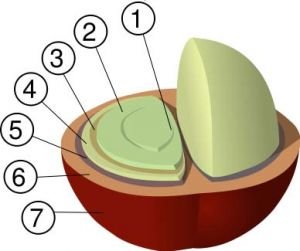
From the composition and composition of coffee beans to talk about the acidity of coffee to understand the structural growth substances of coffee beans
Caffeic acid [Chinese name] caffeic acid [English name] Caffeic acid [composition classification] Organic acids and phenolic coffee acidity may be the most incorrect and most misunderstood term used to evaluate the taste of coffee. This is a quantitative term that refers to the relative strength of the acidic components in the liquid being evaluated. Although the terms of coffee are sour and descriptive

Coffee fruit treatment method | Hartman red wine treatment principle? Yemeni Moka | Ethiopia Hara | Pakistan
Professional coffee knowledge exchange more coffee bean information please follow the coffee workshop (Wechat official account cafe_style) Coffee Fruit treatment method | Hartman wine treatment principle? Yemeni mocha | Ethiopian Hara | traditional Brazilian sun drying process? The red wine treatment of coffee beans, also known as red wine treatment, is inspired by the brewing technology of red wine. At present, only Goren

Flavor description of Colombian Red Wine treated Coffee beans A brief introduction to the production area of Grinding scale varieties
Colombian red wine treatment method Coffee bean flavor description grinding scale variety brief introduction acetic acid fermentation: cleaner, lively acid, brighter acid quality, citric acid lactic acid fermentation: taste more round, less clean than acetic acid fermentation, alcohol thickness is higher, malic acid / tartaric acid before this, the treatment plant is passed down from generation to generation manual operation, such as bite

Coffee and Red Wine treatment Arabica Coffee Bean producing area and Price
Coffee red wine treatment Arabica coffee bean producing area and price acetic acid fermentation method: cleaner, more active acid, brighter acid quality, citric acid lactic acid fermentation method: taste more round, less cleanliness than acetic acid fermentation method, higher alcohol thickness, malic acid / tartaric acid before this, the processing plant uses manual operation handed down from generation to generation, for example, bite and feel the coffee
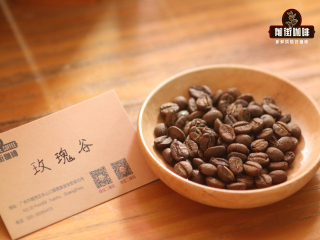
Why are Colombian Rose Valley coffee beans so fragrant? are they fragrant beans? Description of flavor and taste
Rose Valley of Qianjie Coffee has always been a very special coffee bean. It has amazing peach plate features with aromas of cranberries, chocolate and roses. So what kind of growing environment created his unique aroma? The first reason for its taste is that Colombia has grown coffee.

What is the difference of coffee flavor between aerobic fermentation and anaerobic fermentation
The red wine treatment, also known as controlled fermentation, or lactic acid / acetic acid fermentation, is led by Felipe Sardi, an American, and is made up of biological scientists and ecologists. Acetic acid fermentation aerobic fermentation (cleaner

[red wine treatment] ~ taste characteristics of Panamanian coffee in Hardman, Panama
Professional coffee knowledge exchange more coffee bean information please follow the coffee workshop (Wechat official account cafe_style) red wine handling?! It seems that after sasa won the championship, the domestic boutique coffee industry gradually understood this minority treatment method. Then, roughly explain [red wine treatment] red wine treatment, also called controlled fermentation, or lactic acid / acetic acid fermentation.

Hartman's coffee beans are treated with red wine. how to cook them in order to have the aroma of wine?
For more information on coffee beans, please follow the Coffee Workshop (Wechat official account cafe_style) Red Wine treatment, also known as controlled fermentation, or lactic acid / acetic acid fermentation experimental team led by American Felipe Sardi, made up of biological scientists and ecologists. The special picking team has been trained and strictly complied with the quality coffee beans.

Red Wine treatment of Raw Coffee beans-Honey treated Coffee beans
Red wine treatment of raw coffee beans-honey treatment of coffee beans acetic acid fermentation: cleaner, lively acid, brighter acid, citric acid lactic acid fermentation: taste more round, less cleanliness than acetic acid fermentation, higher alcohol thickness. Before malic acid / tartaric acid, the processing plant used manual operation handed down from generation to generation, such as biting to feel the fermentation of coffee beans.

Hartmann Manor, Panama Coffee beans single soy wine treatment method introduction flavor description planting area
Exchange of professional baristas follow the Coffee Workshop (Wechat official account cafe_style) red wine treatment, also known as controlled fermentation, or lactic acid / acetic acid fermentation experimental team led by American Felipe Sardi, made up of biological scientists and ecologists who apply technologies such as solar energy to the cultivation and processing of raw beans. A special manual picking team has been trained
Boutique coffee roasting knowledge of acid in roasted coffee
Formic acid is the most in shallow baking, and acetic acid is the most in shallow baking with the deepening of deep baking. with the deepening of deep baking, pyruvate and baking degree-independent lactic acid and baking degree-independent malic acid are the most in shallow baking, and citric acid is the most in shallow baking with the deepening of deep baking.

Basic knowledge of sour coffee in roasted coffee
There are mainly the following kinds of acids in roasted coffee: formic acid is the most in shallow roasting, and acetic acid decreases gradually with the deepening of deep roasting. With the deepening of deep baking, pyruvate and baking degree independent lactic acid and baking degree independent malic acid are the most, while citric acid decreases with the deepening of deep roasting.
General knowledge of Fine Coffee Acid in roasted coffee
There are mainly the following kinds of acids in roasted coffee: formic acid is the most in shallow roasting, and acetic acid decreases gradually with the deepening of deep roasting. With the deepening of deep baking, pyruvate and baking degree independent lactic acid and baking degree independent malic acid are the most, while citric acid decreases with the deepening of deep roasting.

Hartman Manor introduction Variety introduction treatment
The story of Hartman Manor introducing Hartman is as legendary as its coffee. Hartman Manor is located in Chilidge, Santa Clara. The founder is called Mr.Alois St. Hartmann (Luis Hartmann). He was born on June 20, 1891, in the Moravilla region of Austria and Hungary, now in the Czech Republic; he died on May 25, 1970.

There are mainly several kinds of acids in roasted coffee.
Formic acid is the most in shallow baking, and acetic acid is the most in shallow baking with the deepening of deep baking. with the deepening of deep baking, pyruvate and baking degree-independent lactic acid and baking degree-independent malic acid are the most in shallow baking, and citric acid is the most in shallow baking with the deepening of deep baking.

Coffee beans roasting common sense acid in roasted coffee
Formic acid is the most abundant in light roast coffee, decreasing gradually with the depth of roast. Acetic acid is the most abundant in light roast coffee, decreasing gradually with the depth of roast. Pyruvic acid is independent of roast degree. Lactic acid and malic acid are independent of roast degree. Citric acid is the most abundant in light roast coffee, decreasing gradually with the depth of roast coffee

Coffee health expert: drinking coffee an hour before exercise is just right.
If you want to increase muscle and reduce fat and maintain good posture, not only exercise, diet and nutrition are the key, however, there are many choices of exercise nutritional supplements, are you right? 1 / does drinking whey protein really help increase muscle? Yes. But it only works for people who do weight training. Compared with casein and soy protein, whey protein belongs to the protein with higher absorption rate.
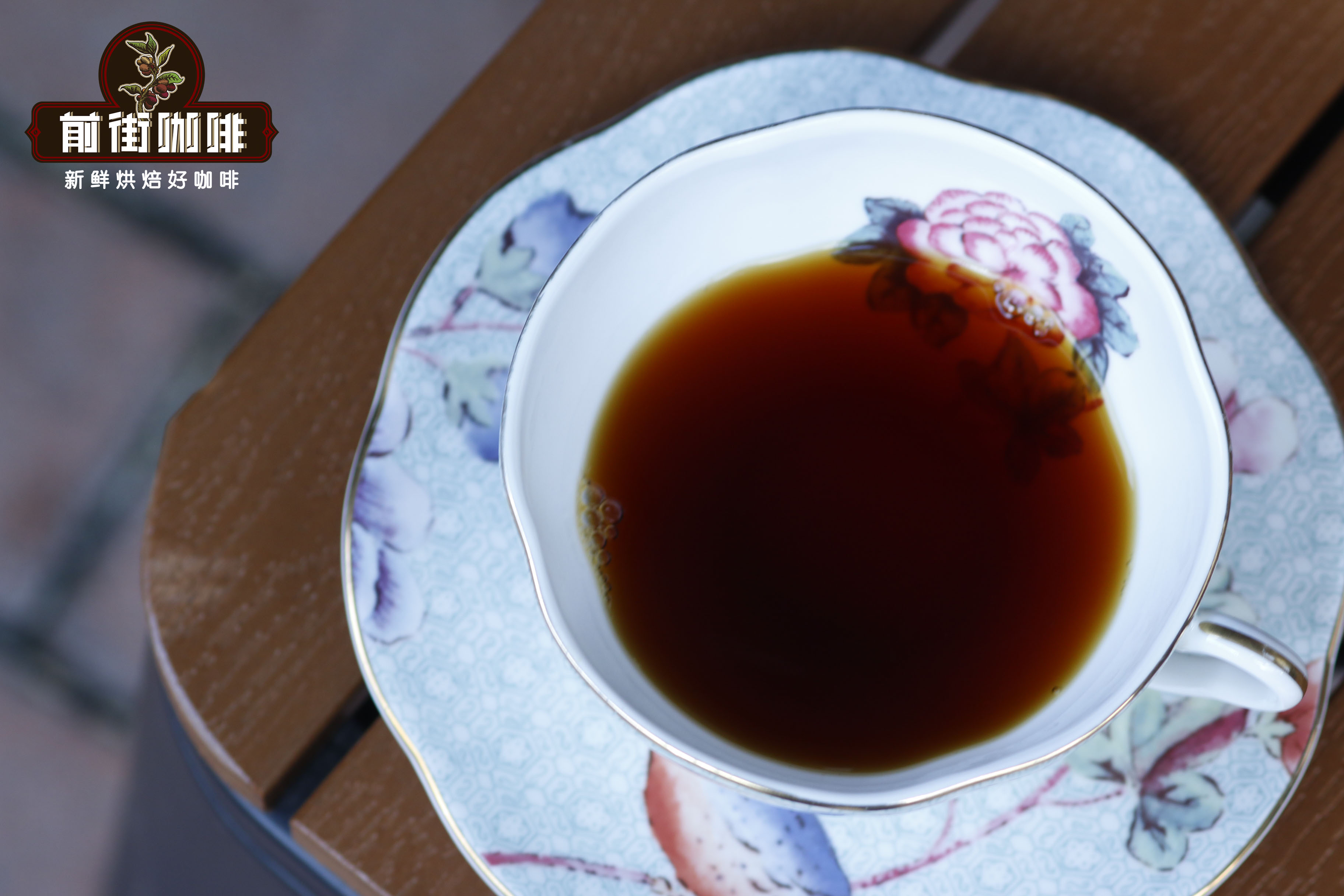
How to adjust the sour taste of hand-made coffee? Does coffee taste sour? where does coffee taste sour?
I remember when we were young, we heard that the description of coffee revolved around: fragrant and mellow (hidden meaning: coffee is strong and bitter). Due to the lack of baking technology and the poor quality of coffee beans, if it is not paired with milk / sugar, a sip can immediately refresh people, which has made people's understanding of coffee for many years inseparable from bitter words. With the emergence of the boutique coffee craze